



If you want to start an online business without buying and storing inventory upfront, affiliate marketing and dropshipping are two models worth considering.
Both let you market products online. Both can be started without manufacturing your own products. And both require you to understand your audience, attract traffic, and convert interest into sales.
But they are fundamentally different businesses.
With affiliate marketing, you promote another company’s product and earn a commission when a qualifying action occurs. With dropshipping, you operate your own online store and sell products fulfilled by a third-party supplier.
That’s why affiliate marketing and dropshipping are two of the most popular ways to make money online, because they let you grow without directly worrying about product inventory, fulfillment, and a host of other challenges that traditional business owners deal with.
Obviously, both are accessible strategies to make an online income, and both have their upsides and downsides. So, in this affiliate marketing vs dropshipping guide, we’ll cover what affiliate marketing is, how it compares to dropshipping, and how to decide which one is right for you!
So, which one is better?
The answer depends on what you want to control, how much operational responsibility you want to take on, how you plan to acquire customers, and the type of business you want to build.
In this guide, we’ll compare affiliate marketing vs. dropshipping in 2026—including costs, responsibilities, risks, scalability, and who each model is best for. When you’re starting a new business, you want a business model that keeps your risk to a minimum, while maximizing potential profit.
What Is Affiliate Marketing?
Affiliate marketing is a performance-based marketing model in which you promote another company’s product or service and earn a commission when a customer completes a qualifying action.
That action may be a sale, lead, trial, signup, or another event defined by the affiliate program.
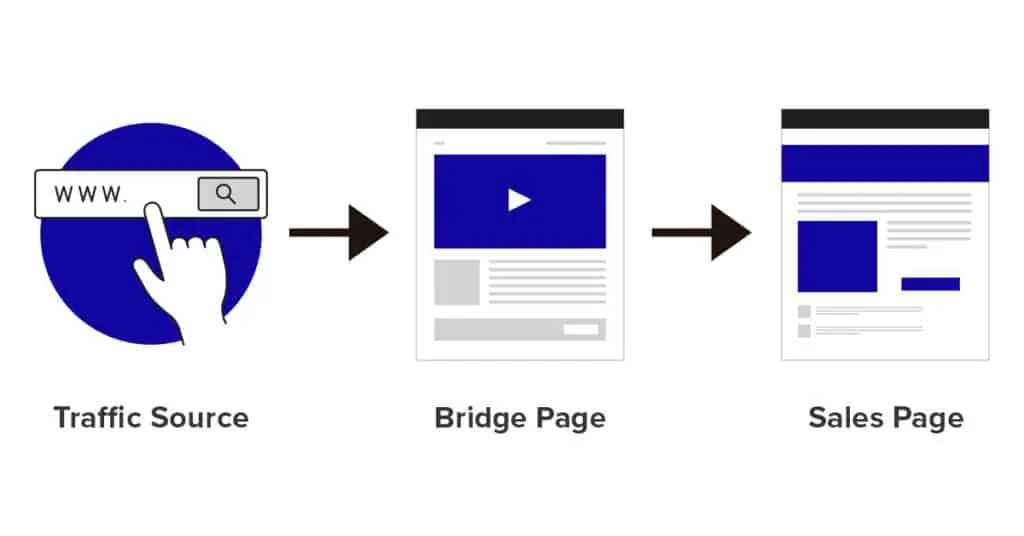
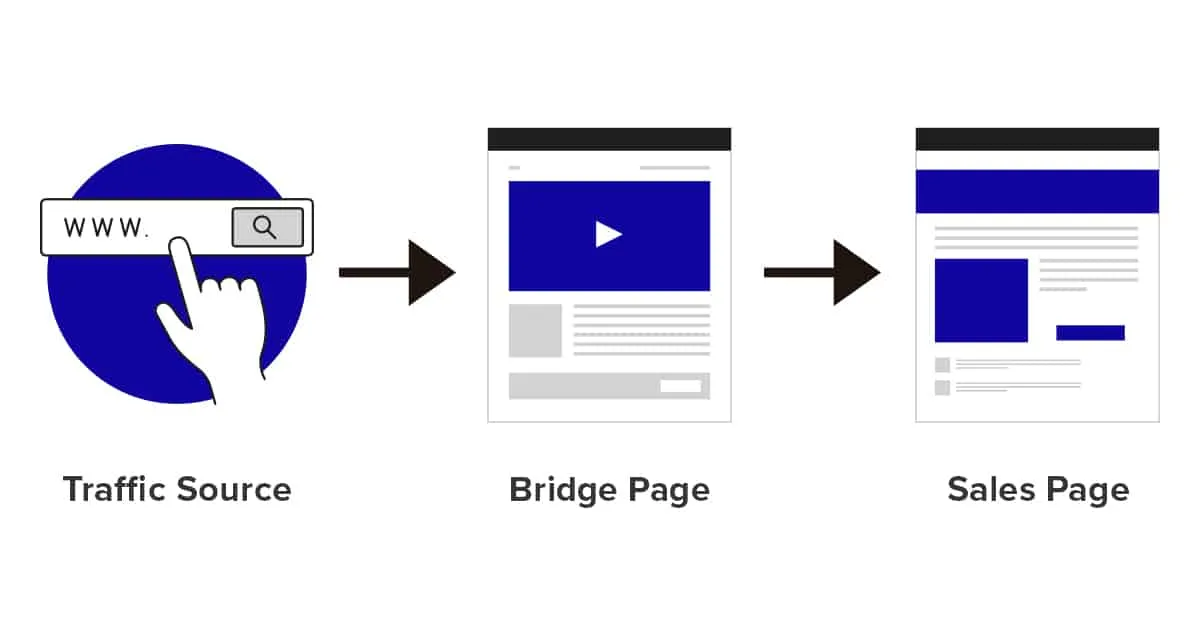
The product owner pays affiliates for every click or conversion they generate. Affiliate marketing is an excellent option for beginners, because you just have to handle marketing to get your business going.
ClickBank provides an affiliate marketplace with high-converting top offers for affiliates of every skill level. This makes it easy to start making money from commissions, even if you’ve never sold online before!
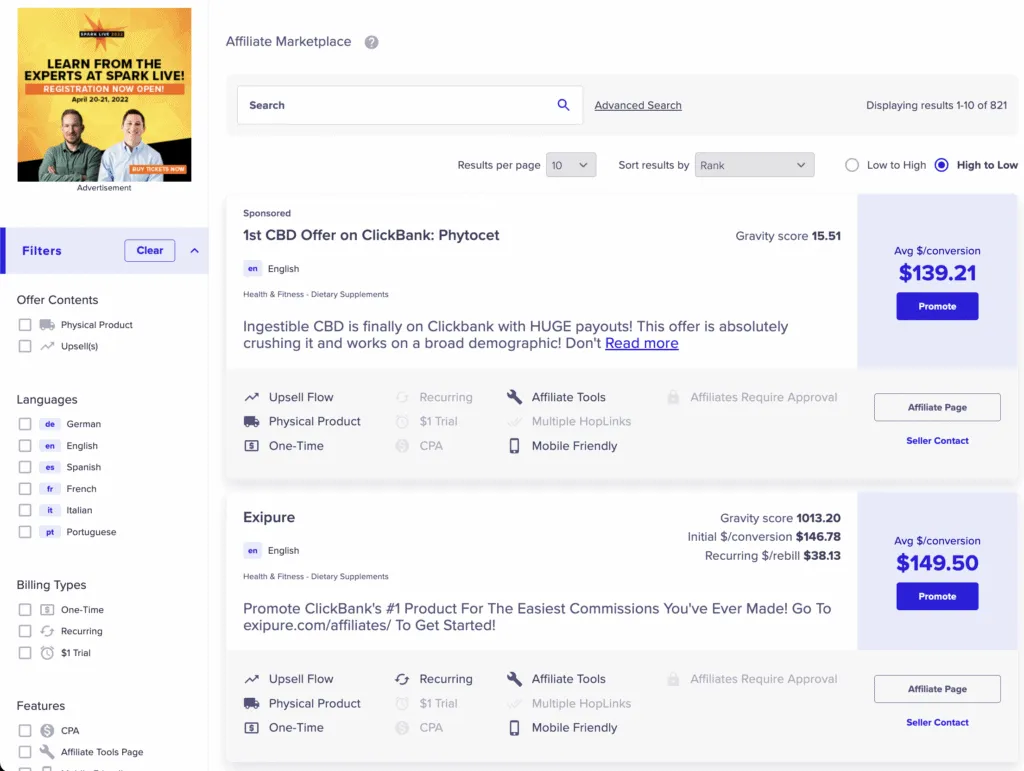
Click to sign up for a FREE account on ClickBank!
As an affiliate, your job is to connect an audience with a relevant offer. You might do that through:
- Educational blog content
- Product reviews and comparisons
- YouTube videos
- Social-media content
- Email newsletters
- Paid advertising
- Search campaigns
- Influencer partnerships
- Community-based recommendations
When someone uses your affiliate link and completes the required action, you may earn a commission according to the program’s terms.
How Does Affiliate Marketing Work?
The basic affiliate marketing process looks like this:
- Join an affiliate program or marketplace.
- Select an offer that fits your audience and promotional strategy.
- Receive a unique tracking link.
- Create content or campaigns that promote the offer.
- Send qualified traffic through your tracking link.
- Earn commissions on qualifying conversions.
For example, ClickBank provides a marketplace where affiliates can discover offers to promote. Depending on the offer and program structure, affiliates may earn revenue-share commissions, fixed payouts, or other performance-based compensation.
An affiliate marketer uses digital marketing channels to promote products on behalf of companies through videos, blogs, paid ads, emails, etc. They get paid on a predetermined basis, usually upon a successful sale after a customer clicks on the link and makes a purchase.
A report by KPMG states that 55% of people do research online for product reviews and recommendations before making a purchase. Those are all potential customers you can target as a successful affiliate!
In some affiliate agreements, the affiliate will get paid a percentage of any successful sale (known as revenue share, or RevShare). In other cases, the affiliate earns a predetermined flat amount for each successful sale (known as cost per action, or CPA).
Here are the 4 basic steps of affiliate marketing:
- Sign up for an affiliate marketing program with your preferred company or sign up for an affiliate marketplace like ClickBank.
- Choose the products you wish to market. You will receive a unique affiliate link or tracking link (known as a HopLink on ClickBank).
- Share your link to promote the seller’s product through your website, social media account, blog, YouTube channel, email list, and more.
- Earn commissions when new customers purchase through your link.
What Is Dropshipping?
Dropshipping is an ecommerce fulfillment model in which you sell products through your own online store without storing the inventory yourself.
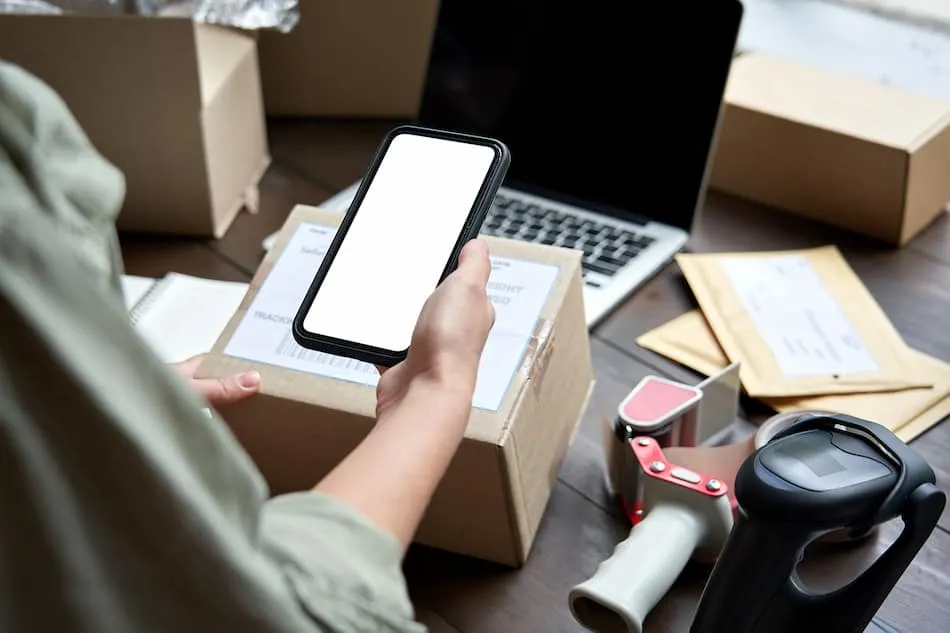
When a customer places an order, you send the order details to a supplier. The supplier then ships the product directly to the customer.
The customer purchases from your store—not from the supplier. That means you are responsible for the storefront, marketing, pricing, brand experience, and customer communication.
How Does Dropshipping Work?
The basic dropshipping process looks like this:
- Choose a product category and supplier.
- Build an online store and add products.
- Set pricing, shipping expectations, policies, and promotions.
- Drive traffic to your store through content, social media, paid advertising, search, email, or other channels.
- Receive customer orders and payments.
- Send order details to the supplier for fulfillment.
- Manage support, refunds, exchanges, delivery questions, and customer concerns.
Dropshipping eliminates the need to stock products yourself, but it does not eliminate the work of operating a retail business.
Affiliate Marketing vs. Dropshipping: The Quick Answer
Affiliate marketing is generally the simpler model operationally. You focus on promoting an offer, while the merchant manages the checkout process, product fulfillment, customer support, and returns.
Dropshipping gives you more control over the customer experience. You operate the storefront, set prices, and build a direct relationship with customers—but you are also responsible for customer support, order issues, refunds, and the overall retail experience.
Choose affiliate marketing if you want to focus on content, audience-building, email marketing, media buying, or traffic generation without running an ecommerce store.
Choose dropshipping if you want to build a branded storefront, own more of the customer relationship, and are prepared to manage the responsibilities that come with selling directly to consumers
Affiliate Marketing vs. Dropshipping at a Glance
| Factors | Affiliate Marketing | Dropshipping |
| Your role | Promote another company’s products or services | Operate an online store that sells supplier-fulfilled products |
| How you make money | Earn a commission for qualifying sales or actions | Earn the remaining amount after product, shipping, advertising, transaction, refund, and operating costs |
| Inventory | No inventory responsibility | No inventory storage, but you coordinate with suppliers |
| Fulfillment | Managed by the merchant | Managed by the supplier |
| Customer service | Usually managed by the merchant | Managed by you, the store owner |
| Money making potential | High money-making potential, especially with ClickBank sellers who set high commission rates between 30% and 75% or more. | Higher profit margins, since you have control over the selling price and your customer acquisition strategy. |
| Customer relationship | Usually owned by the merchant | Built through your store and brand |
| Startup complexity | Typically lower | Typically higher |
| Primary focus | Traffic, content, promotion, and conversions | Store operations, marketing, suppliers, and customer experience |
| Key risks | Commission changes, program changes, offer quality, tracking, and traffic dependence | Supplier issues, shipping delays, refunds, chargebacks, support costs, and advertising costs |
| Best for | Publishers, creators, affiliates, email marketers, and media buyers | Entrepreneurs who want to build a store and customer-facing brand |
Pros of Affiliate Marketing
The benefits of affiliate marketing are huge! It’s free to generate and place affiliate links online, and you have total control over when, where, how, and with whom you work.
Here are some of the pros of affiliate marketing in more detail.
1) No Barrier to Entry
Affiliate marketing has no barriers to entry. You can get started regardless of your physical location and experience. Additionally, setting up an affiliate link is free, and so is sharing it on your social media, website, and more.
2) No Customer Support Need
By choosing affiliate marketing, you exclude yourself from the customer service obligations. Your role is to promote the products and leave the rest to the vendors. Once they make purchases through your affiliate link, your work is done. This gives you a chance to focus your time and efforts on developing more robust promotion strategies.
3) An Excellent Way to Earn Passive Income
Affiliate marketing does not require full-time activity from the marketer, making it an excellent way to earn passive income. You can set up your campaigns, leave them and make money without doing anything. All you need is a reliable marketplace like ClickBank.
4) Real-Time Sales Tracking
Affiliate marketing provides massive data for all the sales that you generate. You can track the individual product performance, customer acquisition, and conversion rates. telling how many people clicked on your link and how many made a purchase also becomes easy.
5) Cost Effective
Affiliate marketing is a low-risk solution that is proven to work. While it requires an up-front investment, it scales well with the right strategies. This marketing option provides a higher return on investment than many other marketing strategies.
Cons of Affiliate Marketing
Here are some downsides associated with affiliate marketing:
1) Fixed Commissions
Unlike with dropshipping, you can’t directly control the average payout amount you get from an affiliate offer. You receive either a revenue share percentage or a flat commission from any sales you generate. And while you can contact a seller and negotiate, they have the final say on how much you can get paid.
With that said, some offers will reward you when you hit a set target, give you affiliate contest incentives, or pay out bonuses for extra motivation.
2) High Competition
The affiliate marketing landscape can be highly competitive, making it challenging to stand out from the crowd.
If you promote offers that aren’t proven, you can have serious headaches trying to find success. However, by embracing the best affiliate niches and offers on a marketplace like ClickBank, you can get great results in spite of the competition.
3) Longer Sales Cycles
Even when you’re doing well in affiliate marketing, you may need to wait a while to get paid. You cannot receive any payment until you reach the threshold for your chosen affiliate program or network (on ClickBank, it’s a $10 minimum, but many platforms may start at $100 or more).
In addition, a triggered payment may take between 30 and 120 days to receive.
Pros of Dropshipping
Dropshipping is an excellent marketing choice for more experienced entrepreneurs who don’t want to handle stock directly. Here are the upsides of this marketing model!
1) Low Entry Barrier and Risk
Dropshipping is a lower-risk business model with a low barrier to entry. If you want the potential to make sales with limited upfront costs and no direct inventory handling, this could serve you well.
2) Cost Effective to Start
You do not need your own inventory or a physical store to start dropshipping, making it a cost-effective solution for entrepreneurs wanting to make money online. A little starting capital goes a long way in starting to sell products through dropshipping.
3) You Do Not Incur Production, Storage, and Shipping Fees
In dropshipping, you only deal with the selling, and the supplier handles the rest. Once your customers complete a purchase, your work is done – unless there are issues such as returns or exchanges.
4) Scalability
It’s easy to scale dropshipping, because you can sell as many products as customers will buy. With experience, entrepreneurs can build their ecommerce store quickly and start running traffic to it to generate sales.
Cons of Dropshipping
Like any other strategy, dropshipping has downsides that marketers should be aware of.
1) Price Competition
Due to high competition in the dropshipping landscape, sellers have to offer low prices to stay relevant. This could lead to low profits per sale and downward pressure on overall ROI.
2) Customer Service
Unlike in affiliate marketing, dropshippers have to handle customer support in-house. Any issues related to shipping, exchanges, or returns will require your attention, which can be time-consuming or expensive for beginners.
3) Limited Control Over Product
In dropshipping, you have little control over the product itself, since your primary responsibility is simply to send orders for fulfillment once they are purchased.
There are better ways besides dropshipping if you want greater control over the customer experience and product.
4) Requires Experience
If you have no prior experience in dropshipping or online marketing, it can take a few years to establish a successful business.
Startup Costs: Which Model Is Cheaper to Start?
Affiliate marketing can often be started with fewer moving parts than dropshipping.
An affiliate may begin with a social-media account, a newsletter, a content site, a YouTube channel, or an existing audience. Some affiliates also invest in a domain, website, content production, email software, analytics, or paid traffic.
Dropshipping usually requires additional setup, such as:
- An ecommerce platform and storefront
- A domain and branding assets
- Product and supplier research
- Payment processing
- Shipping and return policies
- Customer-support systems
- Store apps or integrations
- Product photography or creative assets
- Marketing budget
Neither model is automatically free, and neither is guaranteed to produce results without investment. The real question is whether you are investing primarily in promotion and audience growth or in a full customer-facing store operation.
Best choice for lower operational complexity: Affiliate marketing.
Revenue, Margins, and Profit Potential
Affiliate marketing and dropshipping generate revenue differently.
Affiliate Marketing Revenue
Affiliates earn a commission based on the terms of the offer they promote.
For example, an affiliate program might pay:
- A percentage of a sale
- A fixed amount per sale
- A fixed amount per lead or action
- Recurring commissions for qualifying subscription payments
- Bonuses or incentives based on performance
The affiliate does not control the product price, checkout process, fulfillment costs, or commission structure. This can make the business simpler to operate, but it also means the affiliate has less control over the economics of each conversion.
Dropshipping Revenue
Dropshippers set the retail price for products in their store. However, sales revenue is not the same as profit.
To understand whether a dropshipping product is viable, a store owner needs to account for expenses such as:
- Supplier product costs
- Shipping costs
- Payment processing fees
- Advertising spend
- Store software and app costs
- Refunds and returns
- Chargebacks
- Customer-support costs
- Discounts and promotions
- Taxes and compliance expenses
Dropshipping can provide more flexibility around pricing, bundles, upsells, and repeat purchases. But those opportunities come with more financial and operational responsibility.
Best choice for simpler commission-based economics: Affiliate marketing.
Best choice for greater pricing and offer control: Dropshipping.
Control, Branding, and Customer Ownership
One of the biggest differences between affiliate marketing and dropshipping is the customer relationship.
Affiliate Marketing: Limited Control
As an affiliate, you can choose which offers to promote and how you market them. But you generally do not control:
- Product quality
- Product pricing
- Checkout experience
- Customer support
- Fulfillment
- Return policies
- Commission rates
- Merchant email follow-up
- The merchant’s broader customer experience
The merchant typically owns the customer relationship after the referral.
This makes affiliate marketing appealing for people who want to focus on promotion rather than operations. However, it also means your business can be affected if an offer changes, a merchant updates its terms, or a program closes.
Dropshipping: More Control, More Responsibility
With dropshipping, you control much more of the customer-facing experience, including:
- Store design
- Product selection
- Brand identity
- Product pricing
- Promotions and bundles
- Email marketing strategy
- Customer support experience
- Post-purchase communication
You can build a direct brand relationship with customers, subject to applicable privacy, consent, and marketing requirements.
But control also means accountability. If a shipment is delayed, a product arrives damaged, or a customer wants a refund, your store is generally the first place that customer will turn.
Best choice for brand and customer-relationship ownership: Dropshipping.
Customer Support and Fulfillment Responsibilities
This is where the two models are most different.
Affiliate Marketing
In most affiliate arrangements, the merchant handles:
- Product delivery
- Customer service
- Order tracking
- Refunds
- Exchanges
- Technical support
- Billing questions
Your role is to market the offer accurately and ethically, then direct prospective customers to the merchant through your affiliate link.
Dropshipping
In dropshipping, the supplier may pack and ship the product—but customers purchased from your store.
As a result, you may need to handle:
- Shipping-status questions
- Product complaints
- Delivery delays
- Refund requests
- Returns and exchanges
- Damaged or missing items
- Chargebacks
- Customer communication
A good supplier can make this process easier. But the customer experience still reflects on your business.
Best choice for minimal customer-service responsibility: Affiliate marketing.
Risk: What Can Go Wrong?
Every online business model has risk. The risks are simply different.
Affiliate Marketing Risks
Affiliate marketers may face:
- Competition for audience attention and traffic
- Changes to search, social, or advertising platforms
- Changes to affiliate program terms
- Commission reductions
- Offer availability changes
- Tracking or attribution issues
- Low-quality offers that damage audience trust
- Overreliance on one traffic source, merchant, or program
The best way to reduce risk is to diversify traffic sources, build an audience you can reach directly, and promote offers that genuinely fit your audience.
Dropshipping Risks
Dropshippers may face:
- Supplier quality problems
- Inventory availability issues
- Long or inconsistent shipping times
- Refund and return costs
- Chargebacks
- Customer-service volume
- Rising advertising costs
- Product competition
- Platform or payment-processing issues
- Thin margins after operating expenses
The best way to reduce risk is to vet suppliers carefully, set clear customer expectations, understand the full economics of each order, and avoid building the business around a single product or traffic source.
Is Affiliate Marketing Passive Income?
Affiliate marketing is sometimes described as passive income, but that description can be misleading.
Some content and campaigns may continue producing traffic and commissions after they are published. For example, a helpful review article, email sequence, or video can potentially generate results over time.
However, successful affiliate marketing still requires active work, including:
- Audience research
- Content creation
- Offer selection
- Testing
- Analytics
- Compliance
- Campaign optimization
- Relationship-building
- Updating content and promotions
- Monitoring program terms
A better way to think about affiliate marketing is as a business model with lower operational overhead than running an ecommerce store—not as a guaranteed “set it and forget it” income source.
How AI Is Changing Affiliate Marketing and Dropshipping
AI tools can help affiliates and dropshippers work more efficiently in 2026. They can support research, planning, creative development, reporting, customer-service workflows, and campaign testing.
For example, AI can assist with:
- Content outlines and research organization
- Product-comparison frameworks
- Ad-creative concepts and variations
- Email-draft creation
- Customer-support triage
- Store-product descriptions
- Performance reporting
- Workflow automation
But AI should support—not replace—good judgment.
For affiliate marketers, generic content that adds no firsthand insight, useful analysis, or audience value is unlikely to build lasting trust. For dropshippers, AI-generated product descriptions and ads do not solve supplier quality, shipping expectations, or customer-support problems.
The strongest businesses use AI to improve efficiency while still providing original, accurate, helpful experiences for real customers.
What Both Models Require in 2026
Whether you choose affiliate marketing or dropshipping, long-term success depends on trust.
That means:
- Make accurate claims about products and services.
- Use clear affiliate disclosures where applicable.
- Avoid misleading earnings claims.
- Follow the policies of your advertising and traffic platforms.
- Protect customer and audience data.
- Obtain appropriate consent for email and SMS marketing.
- Set transparent expectations around shipping, returns, and customer support.
- Build on more than one traffic source whenever possible.
Trust is not just a compliance consideration—it is a business advantage.
Who Should Choose Affiliate Marketing?
Affiliate marketing may be a strong fit if you want to:
- Focus on content, traffic acquisition, or audience-building
- Promote products without operating a storefront
- Avoid order fulfillment and customer-support responsibilities
- Build a business around reviews, education, recommendations, or media buying
- Test offers and niches without taking on inventory or supplier coordination
- Monetize an existing blog, newsletter, social following, or video audience
Affiliate marketing can be especially appealing for creators, publishers, email marketers, agencies, and performance marketers.
Before choosing an offer to promote, consider:
- Is the offer relevant to your audience?
- Can you represent the product accurately?
- Does the offer’s positioning align with your brand?
- What action earns a commission?
- What are the payout and attribution terms?
- Do you have a responsible, compliant way to promote it?
If you want to explore affiliate opportunities, you can create a ClickBank account and review available offers that may fit your promotional strategy.
Who Should Choose Dropshipping?
Dropshipping may be a stronger fit if you want to:
- Build and operate your own ecommerce storefront
- Develop a brand and customer experience
- Control pricing, merchandising, offers, and bundles
- Build repeat-purchase opportunities
- Own more of the post-purchase customer relationship
- Take responsibility for supplier management and customer support
- Learn the operational side of ecommerce
Dropshipping is not simply “affiliate marketing with higher margins.” It is a retail business with outsourced fulfillment.
The model can be rewarding for entrepreneurs who want more control, but it requires a willingness to manage the details that come with serving customers directly.
Can You Do Affiliate Marketing and Dropshipping Together?
Yes. The two models can complement each other.
For example, someone might build an audience through educational content and affiliate marketing before launching their own ecommerce product or store. This can help them learn what topics, customer needs, and product categories resonate with their audience.
An ecommerce brand may also create an affiliate program and work with partners who promote its products.
The important thing is to choose a model that matches your current resources and capabilities. You do not need to do everything at once.
Which is Better: Dropshipping or Affiliate Marketing?
Obviously, deciding between dropshipping and affiliate marketing depends on a whole host of factors, including your level of experience, your budget, your industry, and your goals!
With that said, affiliate marketing is perfect for people starting out who don’t want to create a product, manage inventory, deal with customer support, etc. You can easily generate income by promoting other people’s products.
Dropshipping may be more profitable in the long term, but affiliate marketing is the perfect entry point for a beginner who wants to learn how to build an online business. And the best way to do that is with Spark by ClickBank, the official affiliate marketing education platform from ClickBank!
Do you want to start earning passive income through affiliate marketing? Be one of the people who succeed at it with Spark By ClickBank training and ClickBank’s global marketplace.
Click here to create a ClickBank account for free, and then sign up for Spark to start learning!
Affiliate Marketing vs. Dropshipping FAQs
Is affiliate marketing cheaper to start than dropshipping?
Affiliate marketing often requires fewer operational tools because you do not need to build and manage a full ecommerce store. However, both models can require investment in content, traffic, software, creative production, education, and testing.
Does a dropshipper have to handle customer service?
Yes. Even when a supplier fulfills the order, customers typically view the store as the seller. The store owner should be prepared to address shipping questions, returns, refunds, exchanges, and other customer concerns.
Do affiliate marketers own their customers?
Usually, the merchant owns the customer relationship after a referral completes a purchase. Affiliates can still build their own audience through content, email newsletters, communities, and social channels—but they generally do not own the merchant’s customer relationship.
Can affiliate marketing be a full-time business?
It can be, but it requires real work. Affiliates need to develop traffic sources, create helpful content or campaigns, build trust, select quality offers, and adapt to changing platforms and program terms.
Can you use affiliate marketing to validate a product niche?
Yes. Affiliate marketing can help you learn what audiences are interested in, what questions they ask, and which offers resonate. That insight may be useful if you later decide to build your own product or ecommerce brand.
Is dropshipping more profitable than affiliate marketing?
Not automatically. Dropshipping gives you more control over pricing and offers, but it also adds costs such as products, shipping, advertising, refunds, payment processing, customer support, and software. Affiliate marketing uses a commission model and has fewer operational costs, but affiliates have less control over the offer and payout.